Bulgaria Travel: Sofia, Rila Mountains & Speed Cameras to Know Before You Go
Lufop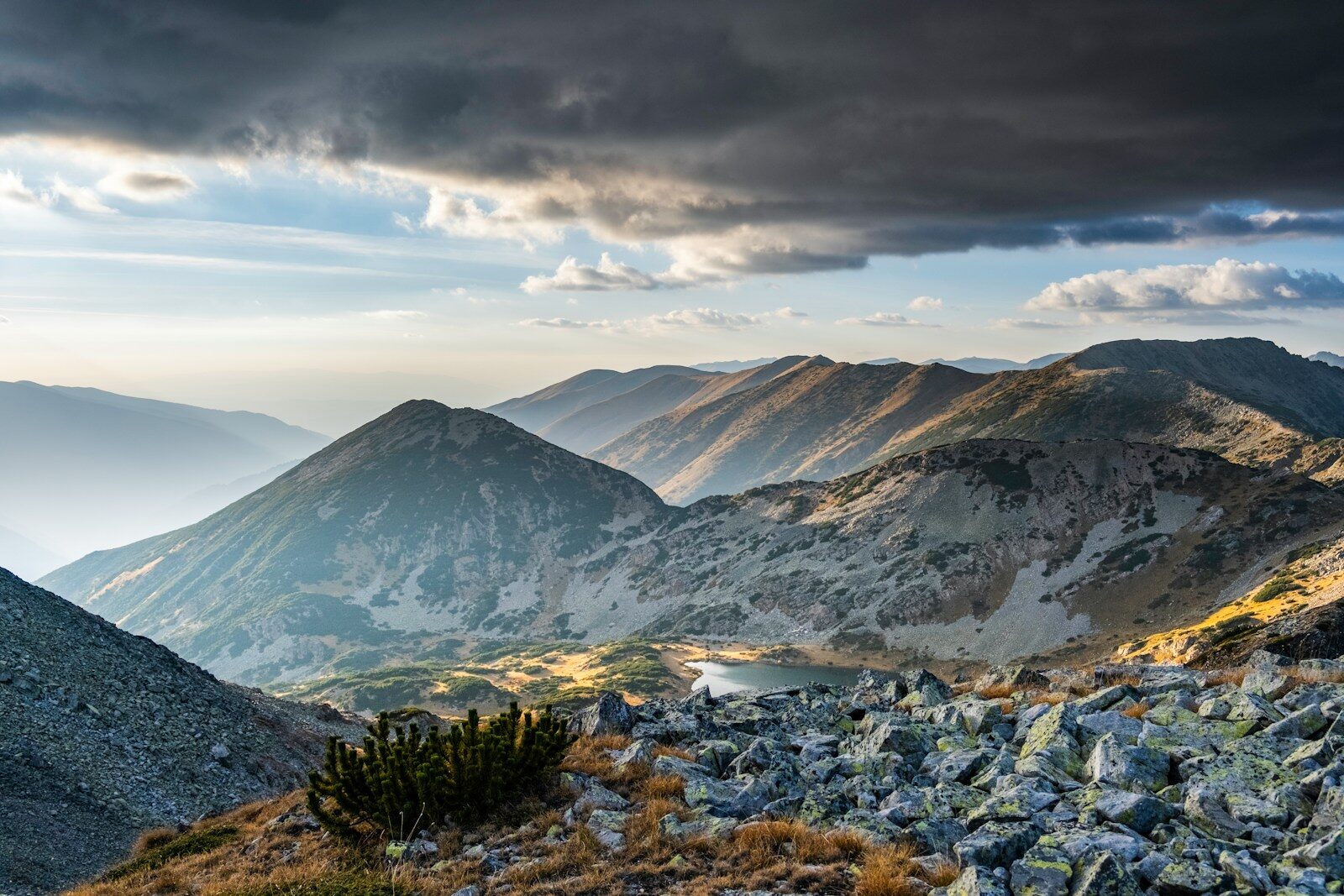
The Rila Mountains
Between the cultural vibrancy of Sofia and the serenity of the Rila Mountains, Bulgaria promises a trip combining history, pristine nature, and affordable prices. A dynamic capital with Slavic and Byzantine influences, Sofia captivates with its blend of ancient architecture and modernity, while the Rila massif, dominated by the mythical Rila Monastery, offers breathtaking landscapes with its glacial lakes and hiking trails. Whether you’re a heritage enthusiast, a trekking lover, or simply seeking an escape, this Bulgarian destination will amaze you. And if you plan to travel the country by car, Lufop supports you with an up-to-date list of speed cameras in Bulgaria, to help you plan your itinerary more calmly and avoid unpleasant surprises on the road.
When to Visit Sofia and the Rila Mountains?
Bulgaria’s continental climate greatly influences the best times to visit this region. To explore Sofia under ideal conditions, favor the months from May to September, when temperatures range between 20°C and 30°C. Summer is perfect for strolling through lively streets or visiting historical sites without fear of rain.
For hiking enthusiasts in the Rila Mountains, summer (June to August) and early autumn (September) are also recommended. The glacial lakes, such as the Seven Rila Lakes, are then accessible and offer breathtaking panoramas. In winter, the region transforms into a winter sports paradise, with nearby resorts like Borovets. However, avoid the months of December to February if you don’t wish to face intense cold at high altitudes.
Must-See and Must-Do Attractions
In Sofia: Between Heritage and Modernity
Start your trip by discovering Sofia’s treasures:
- The St. Alexander Nevsky Cathedral, a symbol of the city with its golden domes and sumptuous interior.
- The Church of St. George, one of the oldest in the capital, nestled in the heart of the historic center.
- The Central Market (Halite), to taste local specialties like banitsa (cheese pastry) or buy Bulgarian spices.
- The National Palace Museum, housed in the former royal residence, for a deep dive into the country’s history.
Don’t miss the Sofia Public Baths either, an Ottoman legacy still in operation, ideal for a relaxing break.
In the Rila Mountains: Nature and Spirituality
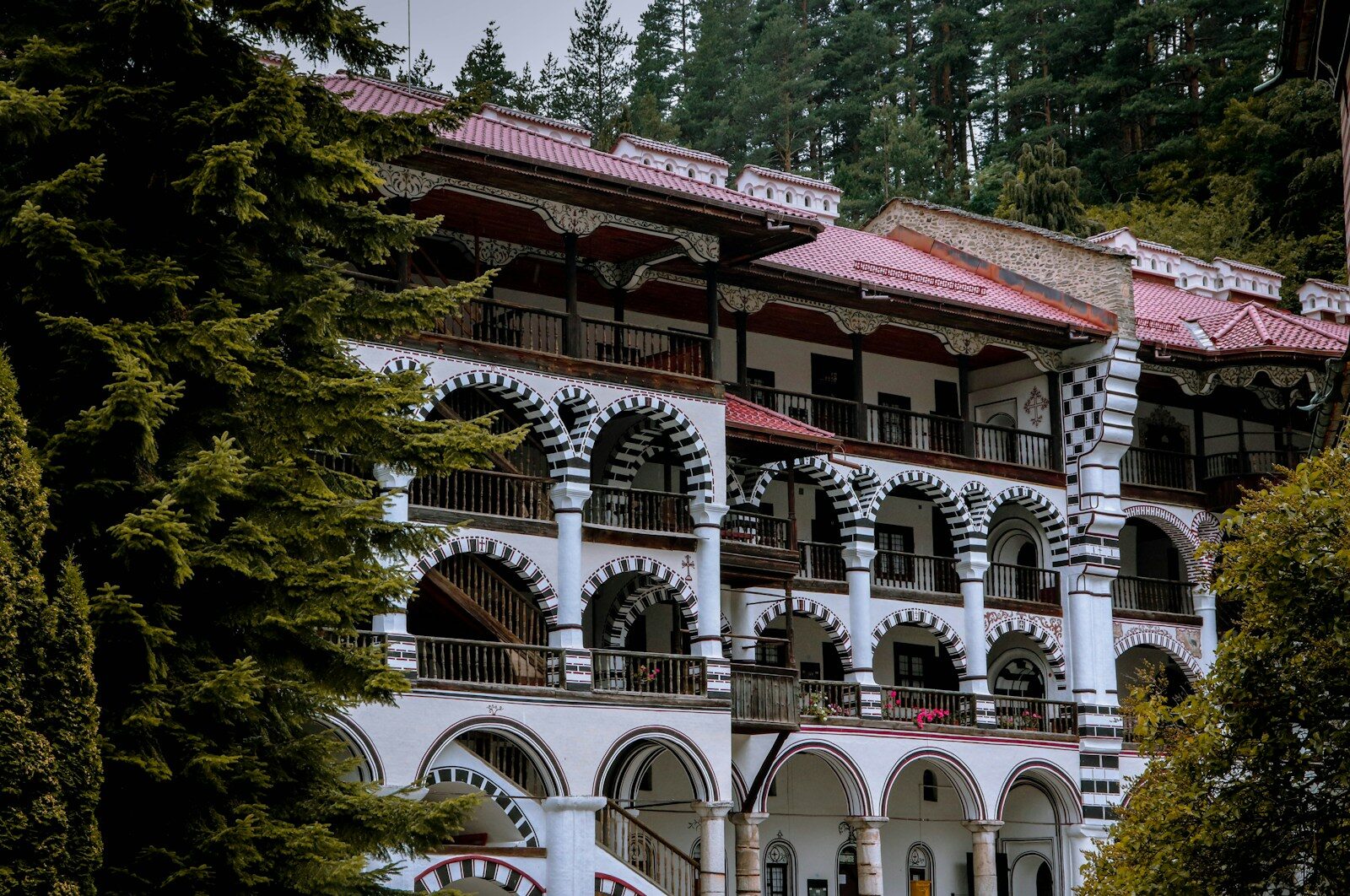
The Rila Monastery
Just 120 km south of Sofia, the Rila National Park is a green sanctuary where nature reigns supreme. Here’s what you absolutely must do there:
- The Rila Monastery, a UNESCO World Heritage site: this 10th-century Orthodox jewel, with its colorful frescoes and impressive architecture, is a pilgrimage site and an artistic marvel.
- The Seven Rila Lakes: these glacial lakes, perched between 2,100 and 2,500 meters above sea level, form a unique alpine landscape. The trail connecting them is accessible to moderately experienced hikers.
- Musala Peak, the highest point in the Balkans (2,925 m), for a memorable ascent with 360° views of the surrounding mountains.
- The village of Borovets, a renowned climatic and tourist resort known for its ski slopes in winter and summer walks.
For an immersive experience, opt for an overnight stay in a mountain hut or a traditional guesthouse.
Average Budget for a Trip to Sofia and the Rila Mountains
⚠️ Beware of speed cameras in Bulgaria: before hitting the road during your holidays, remember to update your GPS with the latest speed cameras and danger zones thanks to Lufop.net, to drive peacefully and avoid fines. You can also consult the map of automatic speed cameras in Bulgaria before you leave.
One of Bulgaria’s major assets remains its exceptional value for money. Here’s an estimate of costs for a one-week trip:
- Accommodation :
- 3* Hotel in Sofia: 40-70 €/night.
- Hostel or guesthouse in the Rila Mountains: 25-50 €/night.
- Food :
- Meal in a traditional restaurant: 8-15 €/person.
- Local Transport :
- Sofia-Rila Bus: 5-10 €/trip.
- Activities:
- 600 to 1,000 € per person for a comfortable week, including accommodation, meals, transport, and activities. With a little organization, it’s even possible to reduce this budget thanks to the affordable prices of local life.
Practical Tips for Your Trip
Transport
Sofia is well-served by air from several European cities (direct flights from Paris, Brussels, or Berlin). Once there:
- Buses are economical and reliable for connecting Sofia to major destinations like Blagoevgrad (gateway to the Rila Mountains).
- Car rental is recommended for freely exploring the mountains and accessing isolated sites like the monastery or lakes. However, be sure to check the vehicle’s condition before departure.
- Taxis are cheap in Sofia (expect ~5 € for an intra-city trip), but prefer apps like Uber or Bolt to avoid extra charges.
Accommodation
In Sofia, choose accommodation in the city center (areas around Sveta Nedelya Square or Ivan Vazov) to be close to tourist sites. In the Rila Mountains, book early during high season (July-August) as capacities are limited. Family guesthouses often offer excellent value for money with a warm welcome.
Things to Avoid
- Beware of pickpockets in crowded places like the central market or packed public transport.
- Also, avoid exchanging money on the street: prefer official exchange offices or withdraw Levs (BGN) from ATMs.
- Finally, it is advisable to be vigilant on Bulgarian roads and to check speed control zones before driving during your vacation.
Regarding health safety, no specific vaccination is required, but pack a basic kit with antiseptics and medication for digestive issues if you try the spicy local cuisine.
Ready to Go?
Between exploring Orthodox monasteries, discovering the glacial lakes of the Rila Mountains, and immersing yourself in Sofia’s authentic atmosphere, this trip to Bulgaria will leave you with unforgettable memories. With affordable prices, preserved nature, and undeniable cultural richness, this destination has it all. So don’t wait any longer, start planning your itinerary to this Balkan gem now!
Si cet article vous a intéressé n'hésitez pas à  vous abonner aux flux par RSS,
directement  par eMail ou suivez-moi sur twitter @Lufop
Le site vous est utile? Soutenez le site lufop.net :

Si tu as une question ou un problème, utilise le forum, il est là pour ça.


 France
 Belgique
 Italie
 Allemagne
 Suisse
 Espagne
 Suede
Suede Portugal
 Pays-Bas
 Luxembourg
 Grande-Bretagne
 Pologne
 Andorre
 Irlande
 Lettonie
 Republique Tcheque
 Bulgarie
 Canada
 Australie
 Nouvelle-Zelande
 Norvege
 Emirats Arabes Unis
 Maroc
Maroc Finlande
 Bresil